
April 16, 2026
Trying to choose between Kamas and Park City? If you want mountain access but are not sure whether you need a quieter rural setting or a more connected in-town lifestyle, this is a smart question to ask early. The right fit often comes down to how you want to spend your day-to-day life, not just what looks good on a map. Below, you will find a clear side-by-side look at housing, recreation, convenience, and lifestyle so you can narrow in on the town that fits you best. Let’s dive in.
At a high level, Kamas and Park City offer two distinct mountain-town experiences. Kamas describes itself as a gateway to the Uintas, with roots in ranching, dairy farming, recreation, and open space. Park City, by contrast, is shaped by a more layered mix of transportation, historic preservation, open space, housing, and a denser mixed-use core in Old Town and Historic Main Street.
If you want the simplest way to think about it, Kamas feels more like a gateway-outdoor base, while Park City feels more like an amenity-rich mountain hub. That distinction can help you quickly decide which direction deserves a closer look.
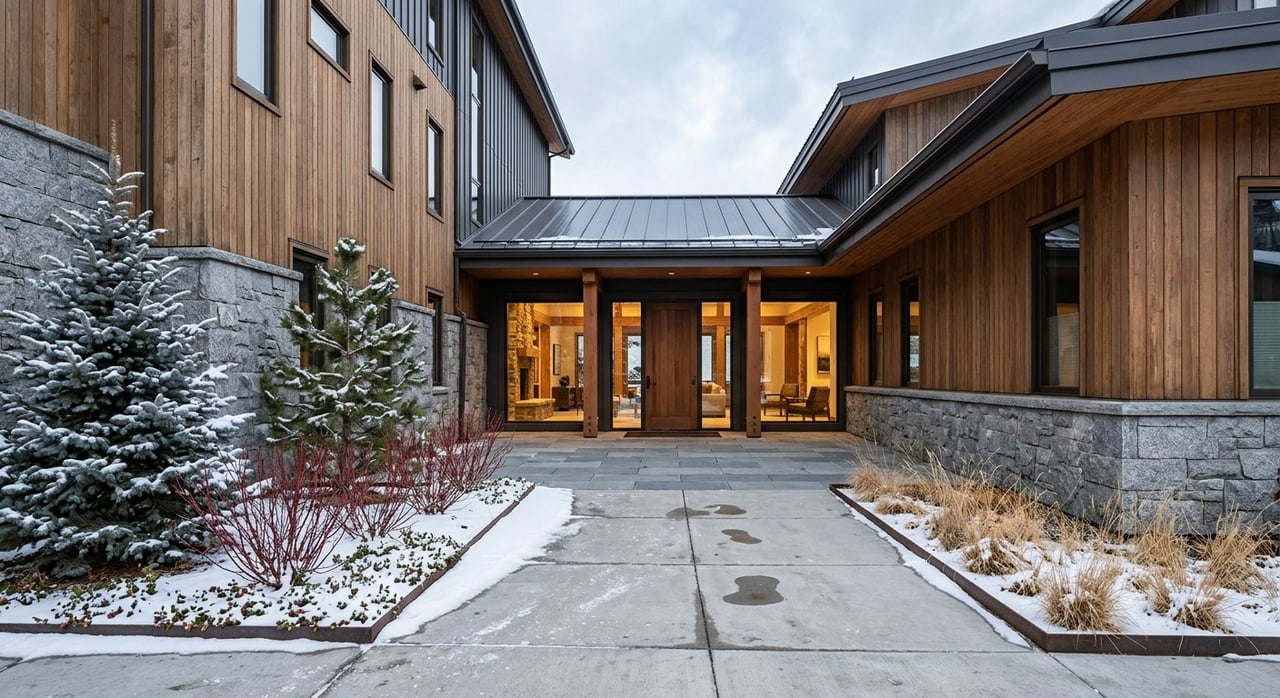
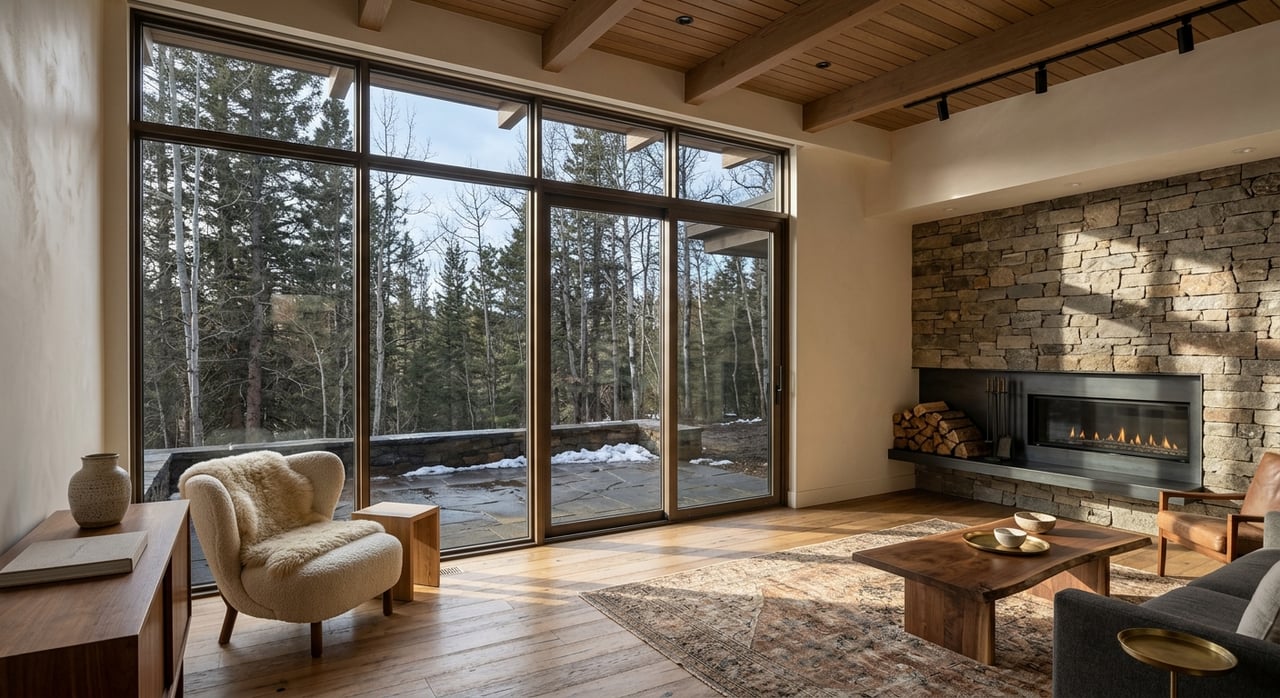
If space, quieter surroundings, and a more open landscape matter most to you, Kamas may feel like the better match. According to the Kamas City General Plan, the city places strong emphasis on preserving its open and rural environment, including agriculture, open space, and a greenbelt buffer.
That planning approach shapes the feel on the ground. Housing in Kamas ranges from very low-density agricultural and rural residential areas to single-family homes and some multi-family options. For many buyers, that means a setting that feels less compact and more tied to land, views, and access to the outdoors.
Kamas often fits buyers who want:
If your ideal day starts with a drive into the mountains rather than a walk to a busy downtown area, Kamas may line up well with your goals.
If you want more services, recreation close to home, and a more connected street network, Park City may be the stronger fit. The city’s land-use materials describe Historic Main Street and Old Town as higher-density areas that combine commercial, residential, and recreational uses.
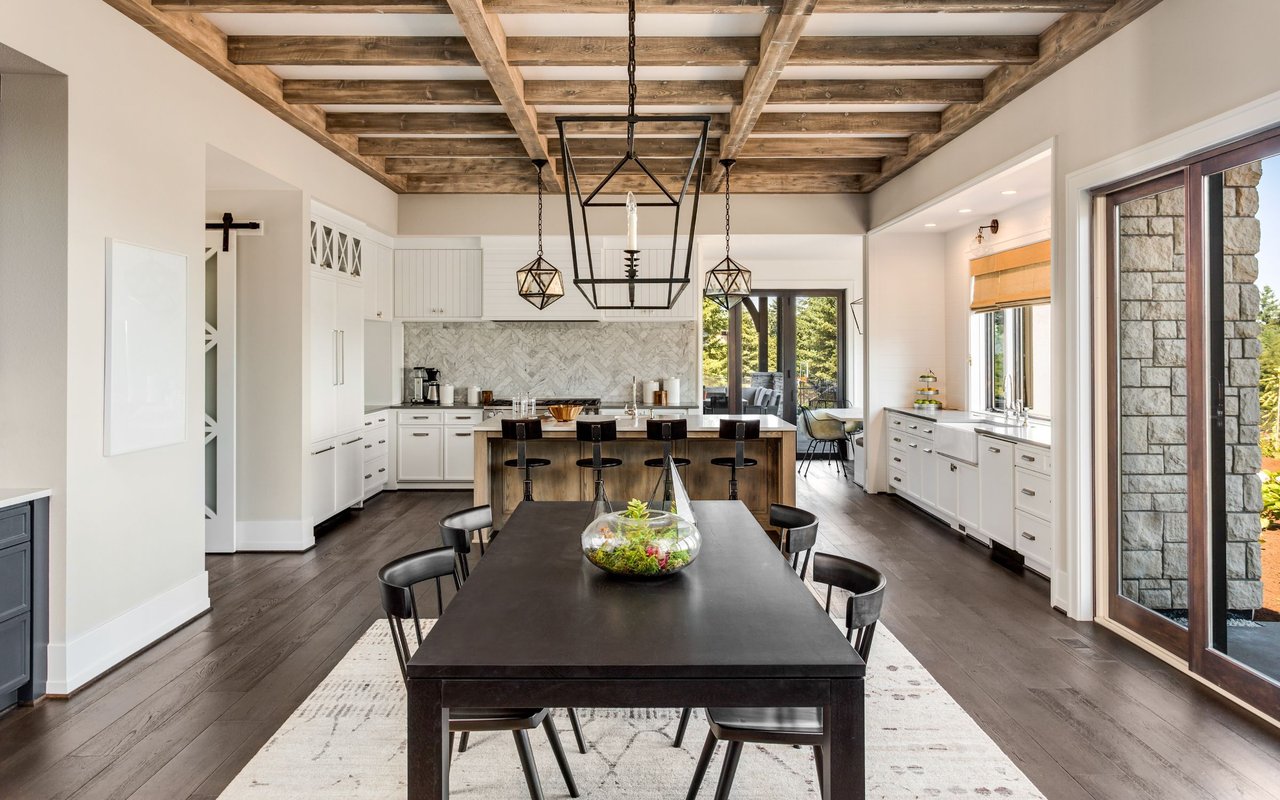
Park City also offers a broader mix of housing forms across different areas. City materials point to projects like Park City Heights, which includes townhomes and single-family homes, and EngineHouse, which adds deed-restricted apartment units. In practical terms, that means buyers often see more housing variety in more compact neighborhoods.
Park City often fits buyers who want:
If your priority is having more daily convenience built into your environment, Park City usually offers more of that structure.
One of the biggest differences between these two towns is how housing connects to the surrounding land. In Kamas, planning priorities point toward preserving a rural setting, which supports a more open and lower-density pattern. In Park City, the mix of older core neighborhoods and newer development areas creates a broader range of home types and neighborhood formats.
For a buyer, this often becomes a lifestyle question as much as a real estate question. Do you want a home environment that feels more spread out and land-oriented, or one that gives you more choices within a more compact and service-rich setting?
Both towns offer strong access to the outdoors, but they deliver it in different ways. Kamas is a launching point for the Mirror Lake Scenic Byway, which travels east from town through farm and ranch land into forested mountain terrain with many access points into the High Uinta Wilderness.
The Heber-Kamas Ranger District area is described as a busy four-season destination for hiking, camping, fishing, mountain biking, backpacking, off-highway vehicle travel, snowmobiling, and backcountry winter recreation. If your version of outdoor living involves heading out into a broad forest and mountain system, Kamas has a clear advantage as a starting point.
Park City offers a different style of access. The city says it has more than 40 miles of non-motorized pathways, a formal wayfinding system, two IMBA Epic rides, and lift-served hiking and mountain biking at local ski resorts.
It also reports preserving almost 10,000 acres of open space and identifying more than 400 historic sites, including two National Register Historic Districts. So while Kamas is well suited to broad regional access, Park City is better known for recreation that is integrated into town life.
When you picture a typical weekend, which sounds more like you?
That answer usually tells you a lot.
Daily logistics matter more than many buyers expect. If you value walkability, transit support, and a denser cluster of businesses and services, Park City has the stronger setup.
High Valley Transit’s 102 Gateway/Kamas Valley Commuter connects Kamas Park & Ride to the Old Town Transit Center in Park City on a daily schedule. Park City also lists Kamas Park & Ride as a free park-and-ride lot connected to that route, while additional commuter facilities like Richardson Flat are designed to help riders reach Main Street or the resorts without paying for downtown parking.
That transit connection is useful, but it also highlights the difference between the two towns. Kamas functions more as a drive-in or ride-in town, while Park City offers a more transit-supported and walkable daily experience.
Kamas has civic amenities such as the Kamas City Event Center, and its general plan calls for a downtown business district and pedestrian-friendly core. That suggests a community with a developing commercial center rather than a fully built-out urban-style core.
Park City’s parking department, on the other hand, describes downtown as a place with restaurants, retail stores, bars, offices, coffee shops, and more. For buyers who want more activity and convenience close by, that difference is important.
The best choice depends on what you want your home to support. A beautiful property in the wrong setting can feel frustrating, while the right setting can make daily life easier and more enjoyable.
If you are still undecided, use this quick filter:
| Priority | Better Fit |
|---|---|
| Rural feel and open space | Kamas |
| Amenity-rich town center | Park City |
| Broad Uinta access | Kamas |
| Pathways and in-town recreation | Park City |
| Lower-density housing pattern | Kamas |
| More compact housing options | Park City |
| Drive-based lifestyle | Kamas |
| Walkability and transit support | Park City |
Kamas and Park City are close in distance, but they offer meaningfully different ways to live. Kamas stands out as the gateway town with rural character, open space, and strong access to the Uintas. Park City stands out as the amenity hub with more housing variety, a denser core, more built-in recreation, and stronger everyday convenience.
If you are weighing both areas, the most helpful next step is to match your home search to your actual routine, not just your wishlist. At The Trainor Team, we help buyers think through lifestyle, location, and long-term fit so you can move forward with clarity and confidence.
From first conversation to closing, our unwavering commitment is to deliver honest guidance, professional execution, and results that leave every client confident and satisfied.
THE TRAINOR TEAM, INC
Global Real Estate Advisory
Fleming “Triple” Trainor
7085 Glenwild Dr Park City, UT 84098 CA DRE# 01810650 UT Lic# 12029273-SA00