
May 28, 2026
Dreaming about a place in Moab where you can slip away for long weekends, soak in red rock views, and enjoy the outdoors on your schedule? A getaway home here can be a smart lifestyle move, but it also comes with details that matter more than many buyers expect. If you are weighing a second home, part-time retreat, or property with future rental potential, the right decision starts with understanding how Moab actually functions day to day. Let’s dive in.
Moab stands out because it offers access to some of Utah’s most recognized outdoor destinations. Arches National Park sits about 5 miles north of town, and Canyonlands National Park’s Island in the Sky district is about 40 minutes away. The City of Moab also maintains paved and unpaved urban trails, including Mill Creek Parkway, and the area is recognized as a Bicycle Friendly Community.
Moab’s Parks, Recreation & Trails Department notes that the area sees about 300 days of sunshine each year. That kind of climate helps support a lifestyle centered on hiking, biking, off-road exploration, and year-round outdoor use. For many buyers, that is the core appeal of owning a home here.
At the same time, Moab is not a hidden pocket market. It is a high-interest destination with heavy visitor traffic tied to recreation and tourism. That reality affects everything from seasonal demand to road congestion, parking, maintenance, and how you think about using the property over time.
If you are buying a getaway home, it helps to think beyond the purchase itself and focus on how the home will perform during the times you plan to use it most. According to the National Park Service, Southeast Utah’s national parks drew 2.4 million visitors in 2023, with 1.5 million visitors to Arches and about 800,000 to Canyonlands. Visitor spending in nearby communities was significant, which shows how closely local demand is tied to travel patterns.
That level of tourism can create stronger seasonal lodging demand, especially during spring, summer, and holiday periods. It can also mean crowded trails, busy roads, and limited parking during peak windows. The National Park Service has already warned that during busy periods such as Memorial Day, congestion and crowding are common, and timed-entry reservations are required at Arches during daytime hours.
For you as a buyer, this means your ownership plan should match your goals. If you want quiet personal use, you may value location, access, and timing differently than someone focused on flexible occupancy or rental income where allowed. A property that feels ideal in February may function very differently in April or over a major holiday weekend.
Moab and Grand County offer a mix of housing types, but detached homes still make up the largest share of the market. The 2023 Moab Area Affordable Housing Plan reports that 59% of the housing stock is 1-unit detached. The rest includes mobile or manufactured homes, smaller multifamily buildings, larger multifamily buildings, and a limited share of attached homes.
That matters because buyers sometimes assume a destination market is mostly condos or resort-style communities. In Moab, you are more likely to encounter a varied mix of product, depending on price point, location, and intended use. Some buyers will prefer a detached home for privacy and storage, while others may prefer a condo or townhome for simpler upkeep.
Census data also gives helpful context. The owner-occupied housing unit rate in Moab is 59.6%, and the median value of owner-occupied homes is $518,900 in the 2020 to 2024 ACS estimates. While every property needs to be evaluated on its own merits, these figures help frame the market for second-home buyers comparing options.
One of the most important details in Moab is the age of the housing stock. The affordable housing plan reports that 41% of Grand County housing units were built before 1980. Older homes can offer charm, location, or lot size, but they may also come with more maintenance needs and lower energy efficiency.
If you are evaluating an older property, your inspection strategy should go beyond the basics. Pay close attention to roof condition, HVAC age and performance, windows, insulation, exterior materials, and plumbing or electrical updates. In a getaway-home scenario, deferred maintenance can become more expensive when you are not on site regularly.
This is also where budget discipline matters. A home that looks like a bargain upfront may need meaningful upgrades to perform well in Moab’s climate. Knowing your renovation tolerance before you buy can save time, stress, and surprise costs later.
Moab’s climate is beautiful, but it is demanding. NOAA’s 1991 to 2020 normals show annual precipitation of just 9.13 inches, a July mean high of 99.2 degrees, and a January mean high and low of 43.5 and 21.4 degrees. Canyonlands also describes the region as high desert, with daily temperature swings that can exceed 40 degrees.
For a getaway homeowner, those conditions shape the maintenance profile. Strong HVAC performance, durable roofing, solid exterior materials, and dust management all matter. If you will be away for stretches of time, you will want a property that can handle heat, dryness, and temperature swings with less hands-on attention.
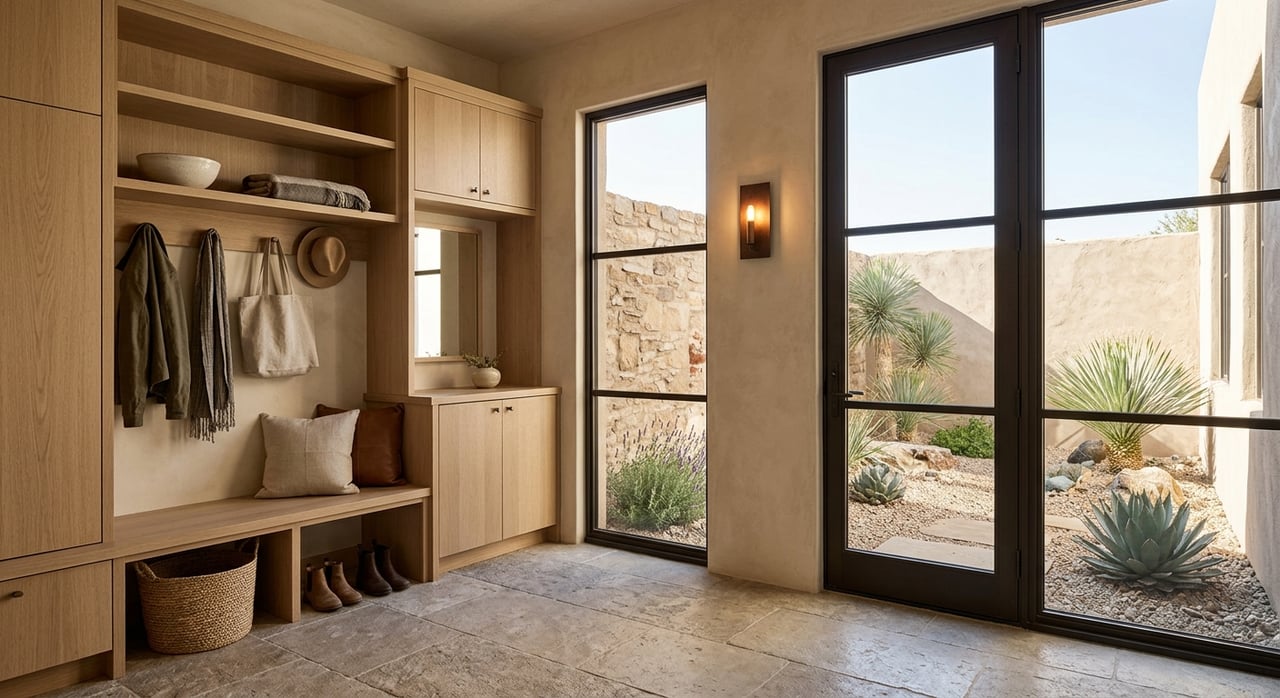
Outdoor spaces deserve the same level of review. Moab’s landscaping standards emphasize water-wise landscaping, stormwater management, fire protection, erosion control, and native plants. In practical terms, that means you are more likely to see xeriscape-style yards than lush turf-heavy landscaping, especially in newer projects or major remodels.
If you are planning upgrades or considering a property that may need work, local efficiency rules should be part of your review. Moab Municipal Code requires WaterSense fixtures and Energy Star appliances for new residential units and for new or remodeled lodging units. That may influence your replacement choices, remodel scope, and overall ownership budget.
Even if a home is not brand new, efficiency still matters in a high-desert market. Better-performing systems can improve comfort during hot summers and help reduce utility waste when the home is occupied only part time. For many second-home buyers, this is not just about sustainability. It is about practicality and smoother ownership.
For condo, townhome, or managed-community buyers, HOA due diligence is essential. Utah’s HOA homebuyer checklist says you should review dues, reserve funding, special assessments, insurance, design rules, and rental restrictions. These items can directly affect both your monthly carrying costs and your flexibility as an owner.
The same state guidance also says the seller must provide the governing documents recorded with the county before closing. Those documents typically include the articles, bylaws, plats, and CC&Rs. If you are buying from out of area, this is one of the most important paper trails to review carefully before you commit.
An HOA can be a real advantage for a getaway property if it helps simplify exterior maintenance or community operations. But it can also limit how you use, improve, or rent the home. Clear review upfront is always better than learning those rules after closing.
Many second-home buyers ask whether a Moab property can offset costs through short-term rentals. The answer depends on the property’s location, zoning, and governing rules. Moab City code compliance identifies illegal short-term rentals as a priority issue, and the city notes that residential short-term rentals are prohibited in many zones.
Grand County adds another layer. Its business-license guidance says businesses inside Moab City limits must license through the city, and overnight accommodation businesses or nightly rentals need a separate license number for each property. In applicable districts, there is also a $500 one-time Overnight Accommodations Overlay permit fee.
Moab’s tax page also states that visitors staying in overnight accommodations in the city or county pay an additional 1.5% transient room tax, along with other state and county taxes. The key takeaway is simple: never assume a property can be used as a nightly rental just because it is in a destination market. Before you buy, verify zoning, HOA restrictions, licensing requirements, and tax implications for that exact property.
If you are narrowing down options, keep your review focused on the issues most likely to affect long-term satisfaction and cost:
A getaway home in Moab can be a rewarding lifestyle purchase, but the strongest decisions usually come from a long-view mindset. Instead of focusing only on scenery or peak-season excitement, it helps to ask how the property will live, perform, and hold up over time. That includes maintenance, rules, ownership costs, and how well the home fits the way you actually plan to use it.
At The Trainor Team, we believe second-home decisions deserve careful strategy, clear communication, and honest guidance at every step. If you are considering a Moab getaway property and want a more elevated, concierge-style approach to evaluating the opportunity, connect with The Trainor Team.
From first conversation to closing, our unwavering commitment is to deliver honest guidance, professional execution, and results that leave every client confident and satisfied.
THE TRAINOR TEAM, INC
Global Real Estate Advisory
Fleming “Triple” Trainor
7085 Glenwild Dr Park City, UT 84098 CA DRE# 01810650 UT Lic# 12029273-SA00