
July 2, 2026
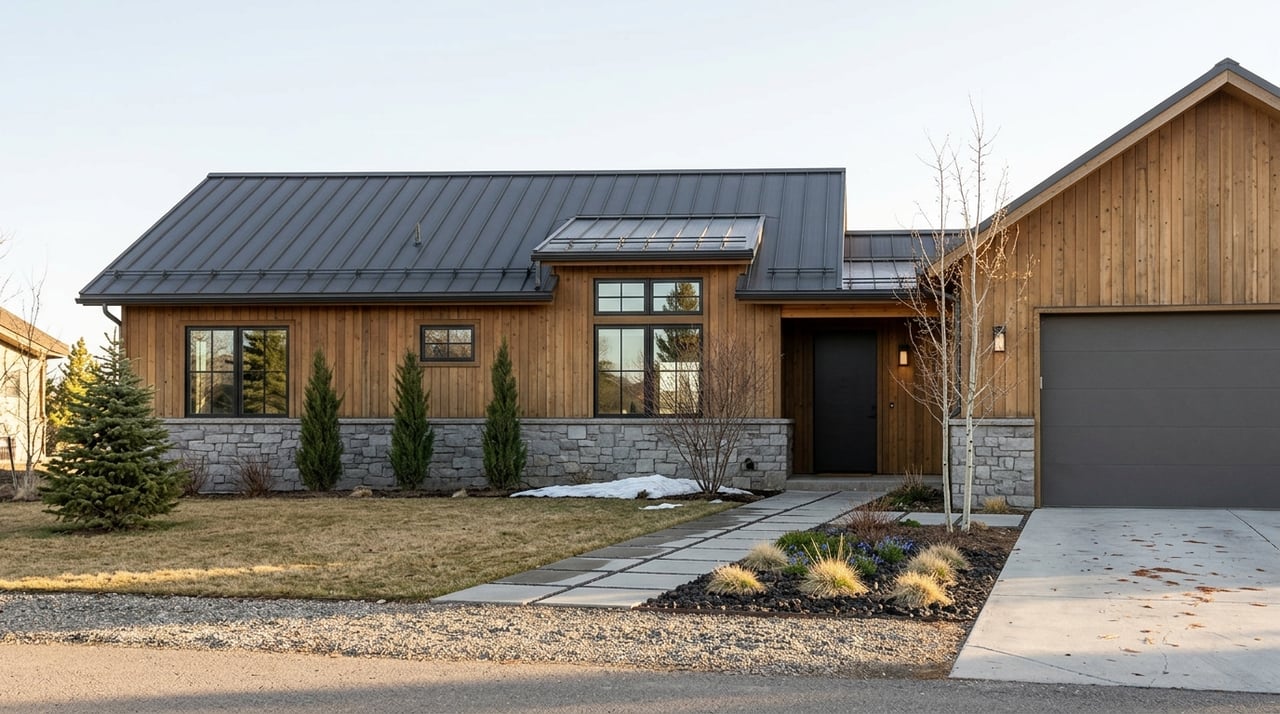
If you love the idea of mountain living but want a quieter day-to-day pace than a resort core, Kamas deserves a close look. Living here year-round is less about being in the middle of constant activity and more about having space, routine, and easy access to the outdoors. If you are considering a move, this guide will help you understand what daily life in Kamas actually feels like, from errands and commuting to winter realities and recreation. Let’s dive in.
Kamas is a long-established community in the Kamas Valley, founded in 1857 and incorporated in 1911. Summit County describes the valley as narrow and framed by the Uintas and Wasatch, which helps explain why the setting feels both open and tucked into the mountains.
The city places Kamas about 18 miles east of Park City and 45 miles southeast of Salt Lake City. That location gives you a different lifestyle rhythm than Park City, while still keeping larger services and regional connections within reach.
Kamas is often described through its open space, recreation, and rural character. For many full-time residents, that mix is the appeal. You get a small-town base with practical ties to the broader Summit County area.
Year-round living in Kamas tends to feel compact and functional. You are not moving here for a long list of in-town amenities. You are moving here for a lifestyle where the basics are close by and the setting does a lot of the heavy lifting.
For everyday errands, Kamas FoodTown covers more than you might expect from a small-town store. In addition to groceries, it offers a pharmacy, propane exchange, postage stamps, hunting and fishing licenses, knife sharpening, and a Sinclair gas station with espresso and ethanol-free fuel.
That matters because convenience shapes how a town feels when you live there full time. In Kamas, you can handle many routine tasks without making every errand a bigger trip.
Kamas also has several civic and practical services that support full-time living. Summit County operates a motor vehicle office in Kamas, and the city maintains its own police department along with water, sewer, and public works systems.
The city also highlights its event center and regular council and planning meetings. Those details may sound small, but they point to something important: Kamas is not just a scenic stop on the way to somewhere else. It functions as a real, lived-in community.
The dining scene is modest, which is typical for a community this size. Official restaurant sites point to a family-owned diner, a modern American bistro, and a Mexican grill, along with grocery and convenience-store options.
In practical terms, that means you have a workable local mix for casual meals, but not a resort-style restaurant lineup. Many residents likely balance local spots with occasional trips to Park City for more variety.
If you are considering Kamas as a primary residence, it helps to know that the town supports more than weekend recreation. South Summit School District serves the area, with South Summit Elementary, South Summit Middle, and South Summit High all located in Kamas.
The district also lists its office in Kamas and includes a nearby aquatic and fitness center in its network. For buyers planning around daily routines, that concentration of services reinforces Kamas’s role as a town built for year-round living, not only seasonal stays.
This can be especially appealing if you want a community where school, errands, and local services are part of the same everyday geography. It creates a simpler pattern for day-to-day life.
The headline lifestyle amenity in Kamas is clear: access to the Uintas. The city calls Kamas the gateway to the Uintas, and the Mirror Lake Scenic Byway heads east from Kamas through the national forest.
That location makes Kamas a natural base for camping, hiking, fishing, mountain biking, horseback riding, and hunting. The town has long served as a supply station for people heading into the mountains, and that identity still shapes local life today.
For many buyers, this is the biggest difference between visiting Kamas and living there. Recreation is not a side benefit. It is part of the town’s core identity.
Kamas offers a four-season mountain lifestyle, but it is important to understand what that means in practice. According to UDOT, Mirror Lake Highway is a seasonal road and is typically closed from November through May or June.
So while Kamas gives you excellent warm-weather and shoulder-season access to high-elevation recreation, not every mountain route is available all year. In winter, life shifts more toward the valley and the routines of mountain-town living.
That is not a drawback for everyone. In fact, many buyers prefer it because it creates a more grounded, residential feel during the colder months, while still opening the door to bigger alpine access when the road reopens.
One of the most practical parts of living in Kamas year-round is that Park City remains close enough to support daily life. If you want a quieter home base without giving up access to larger services, this connection matters.
Park City Transit operates the Kamas Commuter seven days a week with five daily trips each way. The route connects Kamas to the Old Town Transit Center, Park City Hospital, People’s Health Clinic, Fresh Market, and other central stops.
That service pattern shows how Park City can function as an extension of daily life for Kamas residents. You may live in a more rural setting, but you are not cut off from medical stops, shopping, or transit connections.
For many relocators, Kamas works because it offers separation without isolation. You can enjoy a quieter valley setting and still maintain practical access to Park City’s services and economy.
That balance can also appeal to buyers who want to be near the region’s activity without living in its busiest areas. Summit County notes that peak tourist periods can swell the county’s population significantly, which helps explain why some full-time residents prefer a town like Kamas.
If you are thinking about living in Kamas full time, winter is part of the decision. This is not a place where winter shows up occasionally. It is built into the rhythm of the year.
The city warns against winter street parking from November through April 1 and outlines snow-removal rules for residents. It also advises keeping water trickling in winter to help prevent frozen lines.
These details may seem minor, but they tell you a lot about year-round life. Living in Kamas means being prepared for the practical side of mountain weather, from snow management to home maintenance.
For the right buyer, these seasonal realities are part of the appeal rather than a compromise. Kamas tends to fit people who value open space, mountain access, and a quieter pace enough to embrace the maintenance and planning that come with them.
If you want a plug-and-play resort experience right outside your door every day, Kamas may feel too understated. If you want a basecamp community with room to breathe, it can feel like a very smart fit.
Kamas often makes sense for buyers who want a primary home or second home with a more grounded, rural feel than Park City. It is especially compelling if you want outdoor access to shape your lifestyle, but you do not need to be in the center of a resort setting.
It can also work well if you value a town where schools, errands, and local government services are available in the community itself. That combination gives Kamas more everyday functionality than some buyers expect.
In short, Kamas is best understood as a basecamp town. You get small-town living, useful local infrastructure, strong access to recreation, and practical proximity to Park City.
If you are weighing Kamas against other Summit County options, the key question is simple: do you want your home base to feel busier and more amenity-driven, or quieter and more rooted in open space? Your answer will usually tell you a lot.
If you are exploring Kamas or comparing it with Park City area communities, The Trainor Team can help you evaluate which setting best fits the way you want to live year-round.
From first conversation to closing, our unwavering commitment is to deliver honest guidance, professional execution, and results that leave every client confident and satisfied.
THE TRAINOR TEAM, INC
Global Real Estate Advisory
Fleming “Triple” Trainor
7085 Glenwild Dr Park City, UT 84098 CA DRE# 01810650 UT Lic# 12029273-SA00