
March 26, 2026
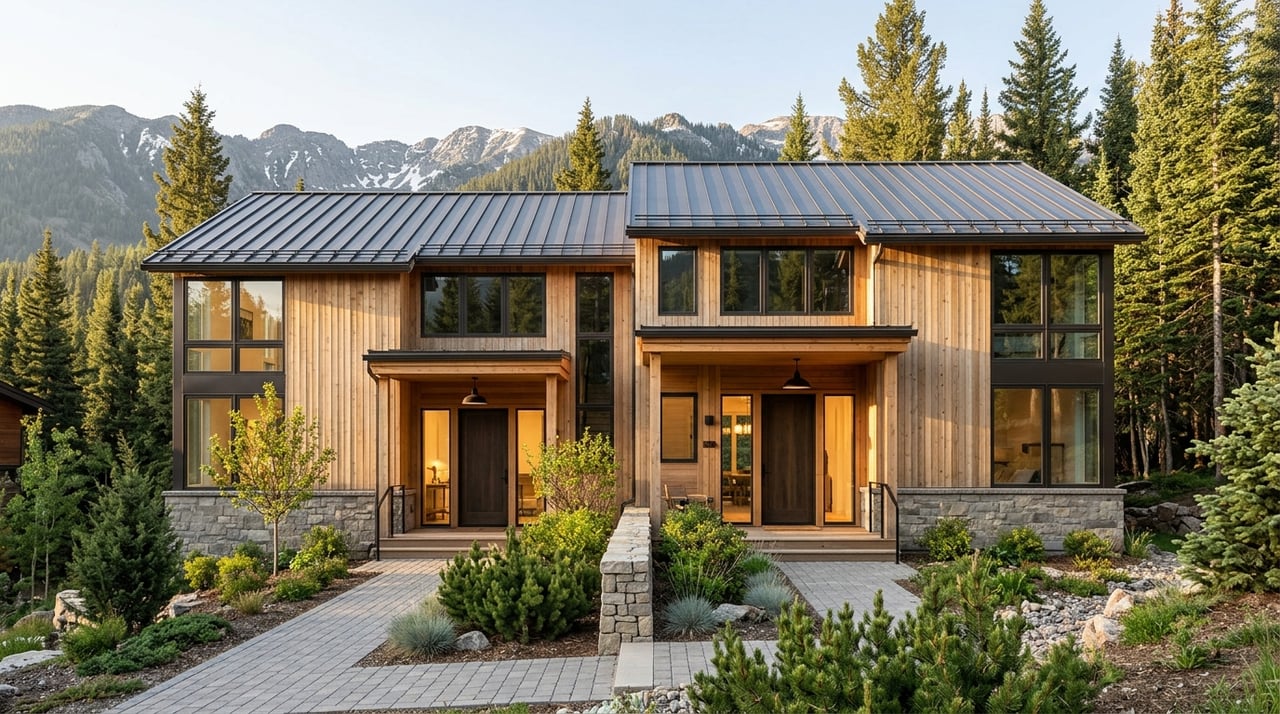
Picture your perfect Midway day: coffee on the deck, a quick walk to golf or Main Street, and sunset views over the Heber Valley. The right neighborhood makes that vision real, whether you want a low‑maintenance second home or a full‑time base with room to breathe. In this guide, you’ll learn how Midway’s neighborhoods differ, what to check for short‑term rentals and utilities, and how to match each area to your lifestyle. Let’s dive in.
Midway sits in the Heber Valley, about 28 miles southeast of Salt Lake City, with a 2020 population of 6,003 according to the census data on Wikipedia. You are a short drive from Park City and within reach of Salt Lake City and the airport, which is a draw for second‑home owners and relocators alike. The town blends small‑town charm with resort energy.
A few anchors define life here. Homestead Resort and the unique Homestead Crater bring year‑round activity and dining near Main Street. Soldier Hollow is a public championship golf complex and Nordic venue, and Wasatch Mountain State Park adds trails, camping, and winter recreation across the hills around town.
Access matters if you will commute or chase first tracks. Expect roughly 15 to 30 minutes to Park City depending on route and 35 to 60 minutes to downtown Salt Lake City or the airport in normal conditions. Always run live mapping at your typical departure times to confirm.
On pricing, Redfin reports a median sale price near $847,500 as of January 2026, while longer‑window summaries on other portals show medians closer to $1.05 million depending on timeframe. Data varies by source and month, so confirm current figures with your agent and local MLS before you write an offer.
Amenities and rhythm shift block by block. Resort‑adjacent pockets concentrate pools, restaurants, and on‑site services, which can be ideal if you want a turnkey second home with potential for nightly renting where allowed. The historic core trades on walkability and small‑town events, while hillside or large‑lot areas lean into privacy and space.
Utilities and water can be different by parcel. Midway City provides culinary water, irrigation is handled by the Midway Irrigation Company, and sanitation is through the Midway Sanitation District. For any specific home, confirm culinary water, sewer connection, and whether irrigation shares or water rights transfer with the sale if you plan gardens or horses.
Nightly rentals are regulated. If rentability is important, verify the property is inside the city’s Transient Rental Overlay District, understand licensing needs, and check the HOA’s rules. You can save time by confirming all of this before you tour.
What you can expect: townhomes, condos, and single‑family homes around the Homestead area with easy access to restaurants, pools, spa services, and golf. These pockets often have HOAs that handle landscaping and snow removal, plus optional property‑management pathways. If nightly renting is part of your plan, confirm the property is in the city’s TROD, that you can secure the required license and local manager, and that the HOA permits short‑term rentals.
Best for: second‑home owners who want a low‑maintenance base, walkable resort access, and the ability to host guests.
This is Midway’s original town center with small‑scale blocks, older homes on compact lots, and quick access to shops, dining, and events. You get a classic, walkable feel and proximity to seasonal festivals. On practical notes, plan for event‑night activity, seasonal visitors, and parking dynamics near Main Street.
Best for: anyone who values walkability, community rhythm, and easy access to local businesses.
These communities deliver lock‑and‑leave living with exterior maintenance handled by the HOA, and some offer shared amenities like clubhouses or pools. Floor plans are efficient, which suits weekend use or year‑round living with fewer chores. Review HOA fees, guest parking, pet policies, and any rental rules early so there are no surprises later.
Best for: second‑home owners and relocators who prefer convenience and predictable upkeep.
If you want space, privacy, or room for horses, focus on acreage parcels and larger‑lot communities at the edges of town and on nearby hillsides. Utility setups vary more here. Confirm whether the home is on city water and sewer or on well and septic, and ask exactly which irrigation shares and water rights transfer with the property if you plan pasture or gardens.
Best for: buyers seeking quiet, outdoor access, and the flexibility larger lots provide.
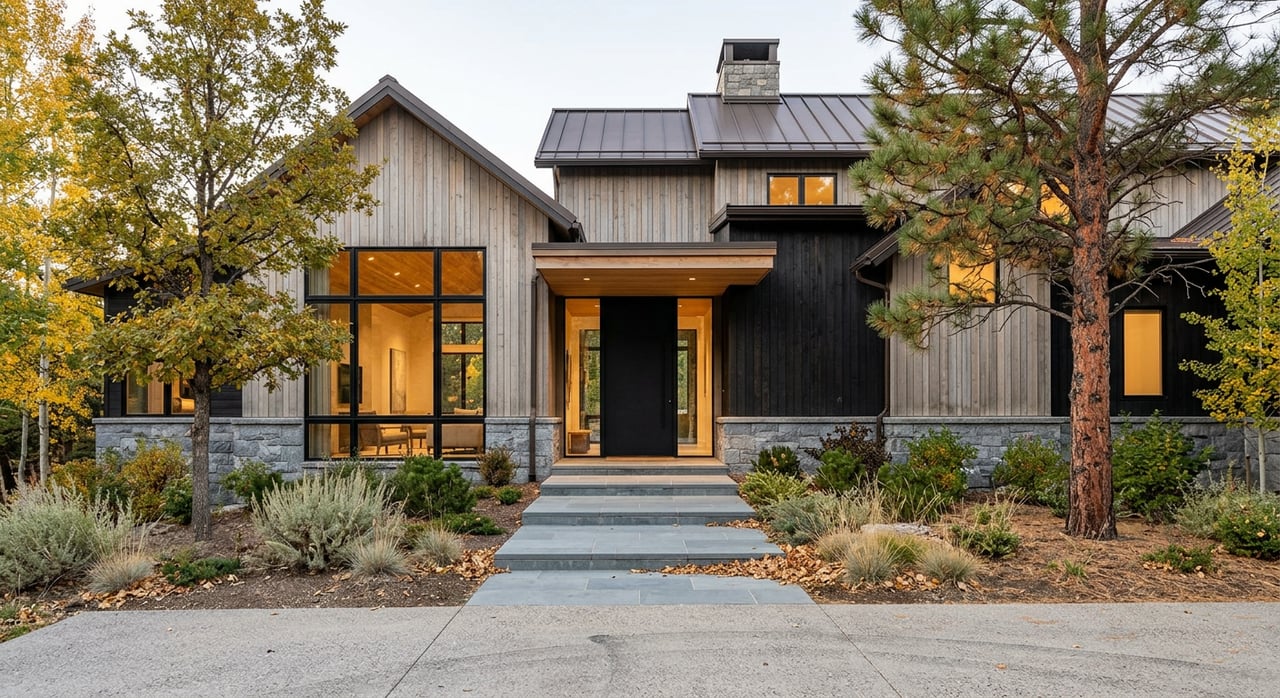
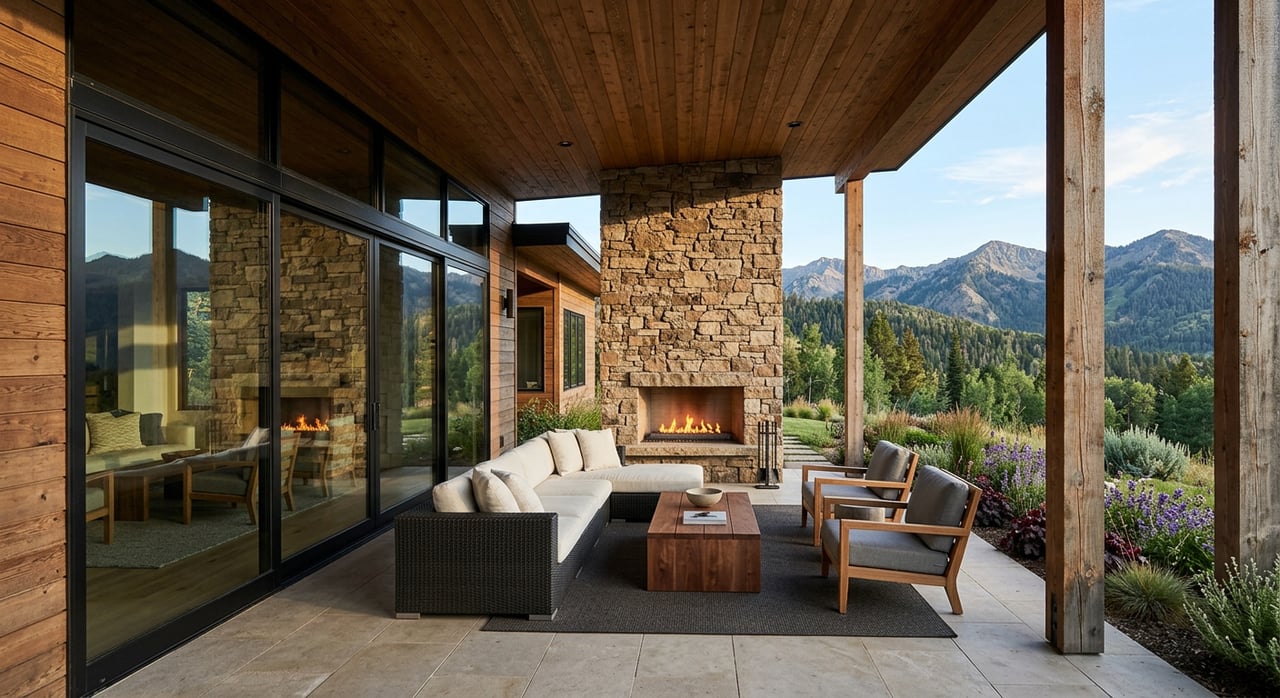
You will find smaller clusters of newer, high‑end homes that capture long valley and mountain views. These areas often trade on custom design, privacy, and orientation to sun. On winter‑readiness, evaluate road grade, driveway snow storage, and who handles plowing before you buy.
Best for: buyers who prioritize views, design, and a more private setting.
Clarify primary use. Decide if this will be a second home with possible short‑term rental use or a full‑time residence. Second‑home buyers often prioritize maintenance, walkability, and resort access, while full‑time relocators tend to focus on daily logistics like commute, services, and year‑round access.
Map commute and access in real time. Test door‑to‑door at the times you expect to travel, including from your target address to Park City lift bases or to Salt Lake City. Do the same for school and activity runs if you will live here full time.
Confirm nightly‑rental permissions early. If rentability matters, check city requirements, verify that the property sits inside the TROD, and review the HOA’s CC&Rs for any restrictions. Sorting this out up front prevents surprises late in the process.
Verify utilities and water rights. Ask whether the home is connected to city culinary water and public sewer, and whether any irrigation shares or water rights transfer with the sale. If a listing mentions deeded river or irrigation shares, request the transfer documentation in writing.
Understand HOA and maintenance realities. For condos and townhomes, request the current budget, reserves, snow‑removal plan, guest parking rules, and rental policies. For single‑family homes in planned communities, ask for CC&Rs and an HOA contact so you can confirm the rules that matter most to you.
Do on‑site livability checks. Visit at different times to gauge traffic and event noise, study winter sun exposure and where snow piles, and test road steepness if you will drive it in storms. Check cell reception, internet options, and whether your driveway is plowed by the HOA or by you.
Confirm schools and services if relocating. Verify enrollment boundaries directly with the district and map your actual drive times to key campuses and activities. If proximity to specific services matters, run those routes at the times you would normally go.
Watch resale and demand signals. Scan the number of comparable active listings, recent days on market, and whether a property has a documented rental history where renting is allowed. This helps you price offers and understand future liquidity.
Midway’s neighborhoods fall into clear lifestyle buckets. Start with how you will use the home, then narrow by HOA versus non‑HOA, utility and water details, and whether nightly rentals are allowed where you want to buy. Take time to verify the city’s licensing rules and the HOA’s CC&Rs, map your real‑world travel times, and walk the property in winter conditions if you can. When you are ready to tour, we will help you compare options side by side so you move with confidence.
Ready to explore Midway with an advisor who knows the nuances and can handle the details end to end? Work with The Trainor Team for clear guidance and an elevated, concierge experience from search to closing.
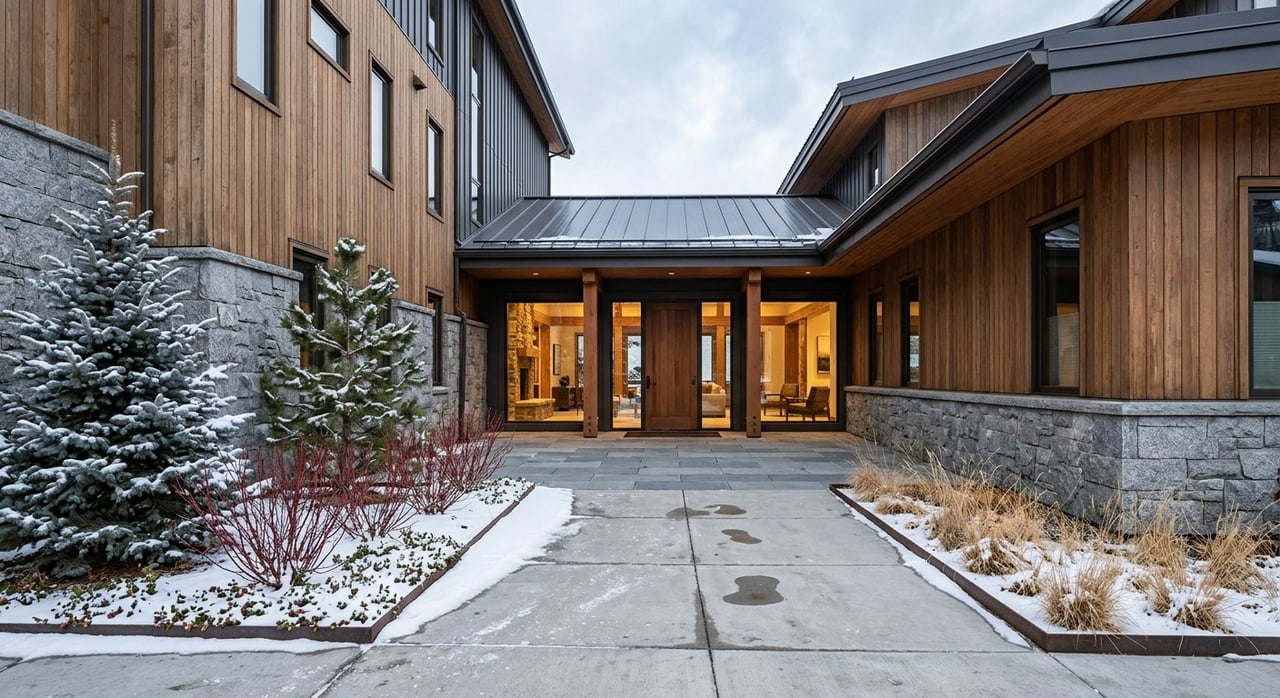
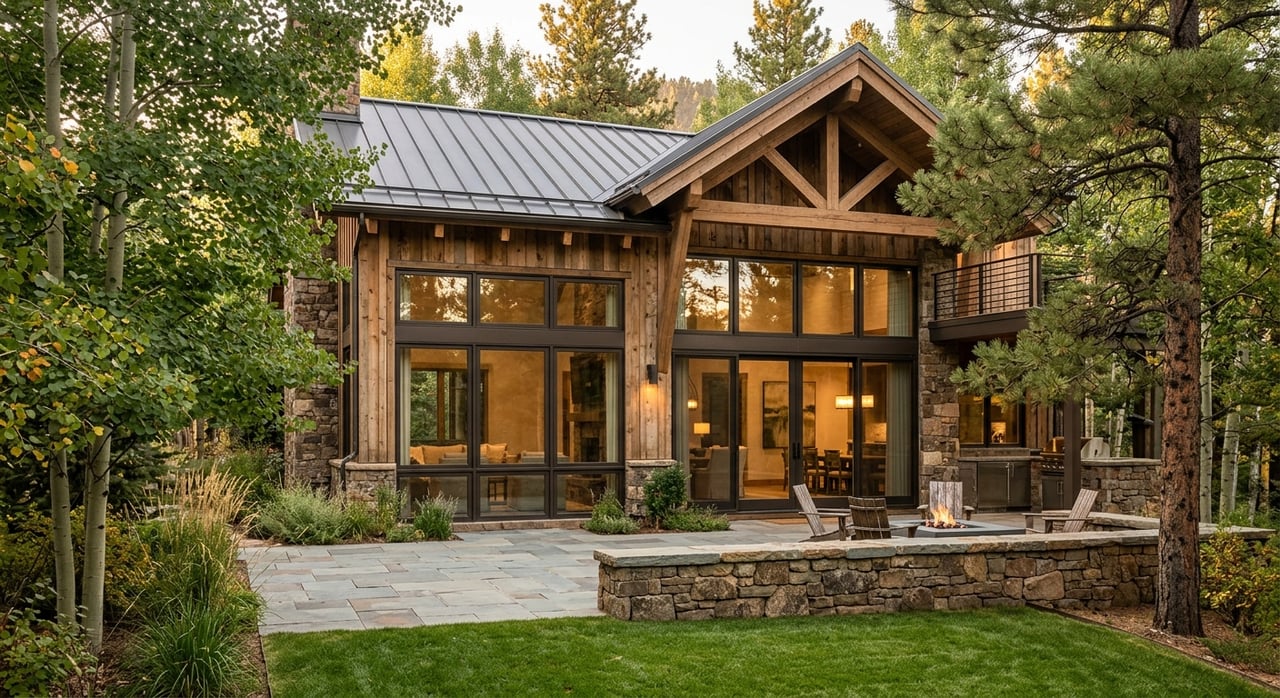
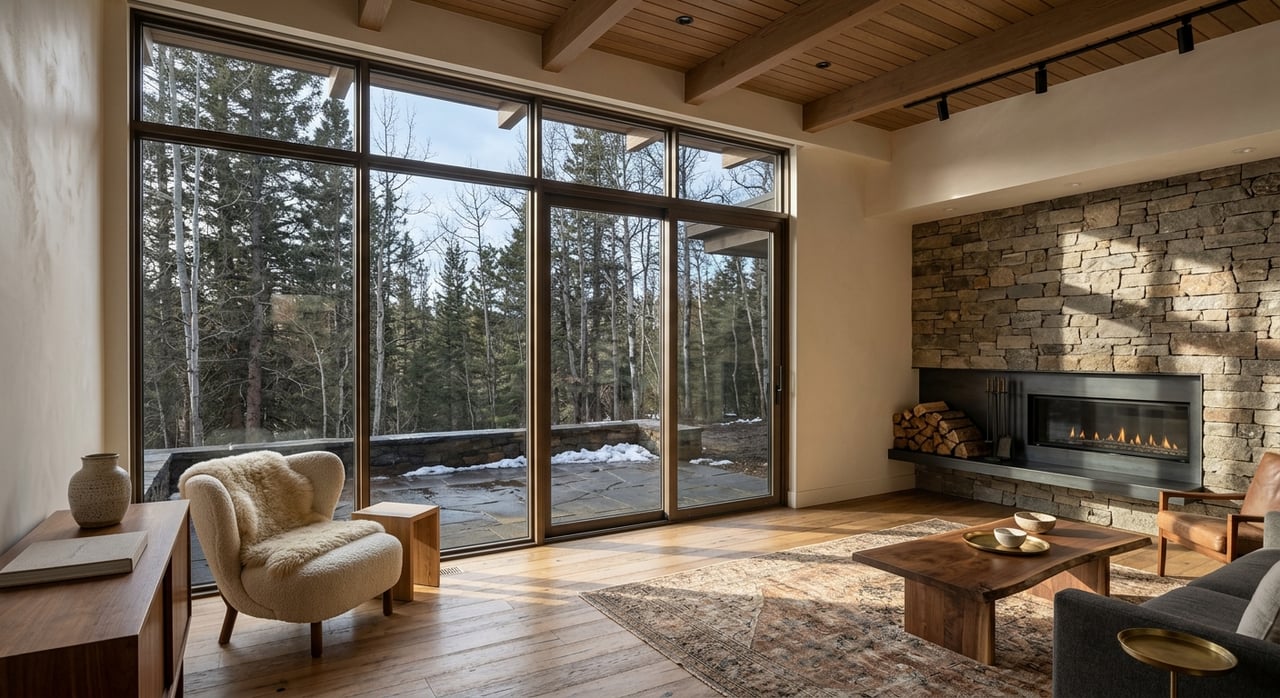
From first conversation to closing, our unwavering commitment is to deliver honest guidance, professional execution, and results that leave every client confident and satisfied.
THE TRAINOR TEAM, INC
Global Real Estate Advisory
Fleming “Triple” Trainor
7085 Glenwild Dr Park City, UT 84098 CA DRE# 01810650 UT Lic# 12029273-SA00